The metallurgical industry of Rosario and the region is going through a critical scenario
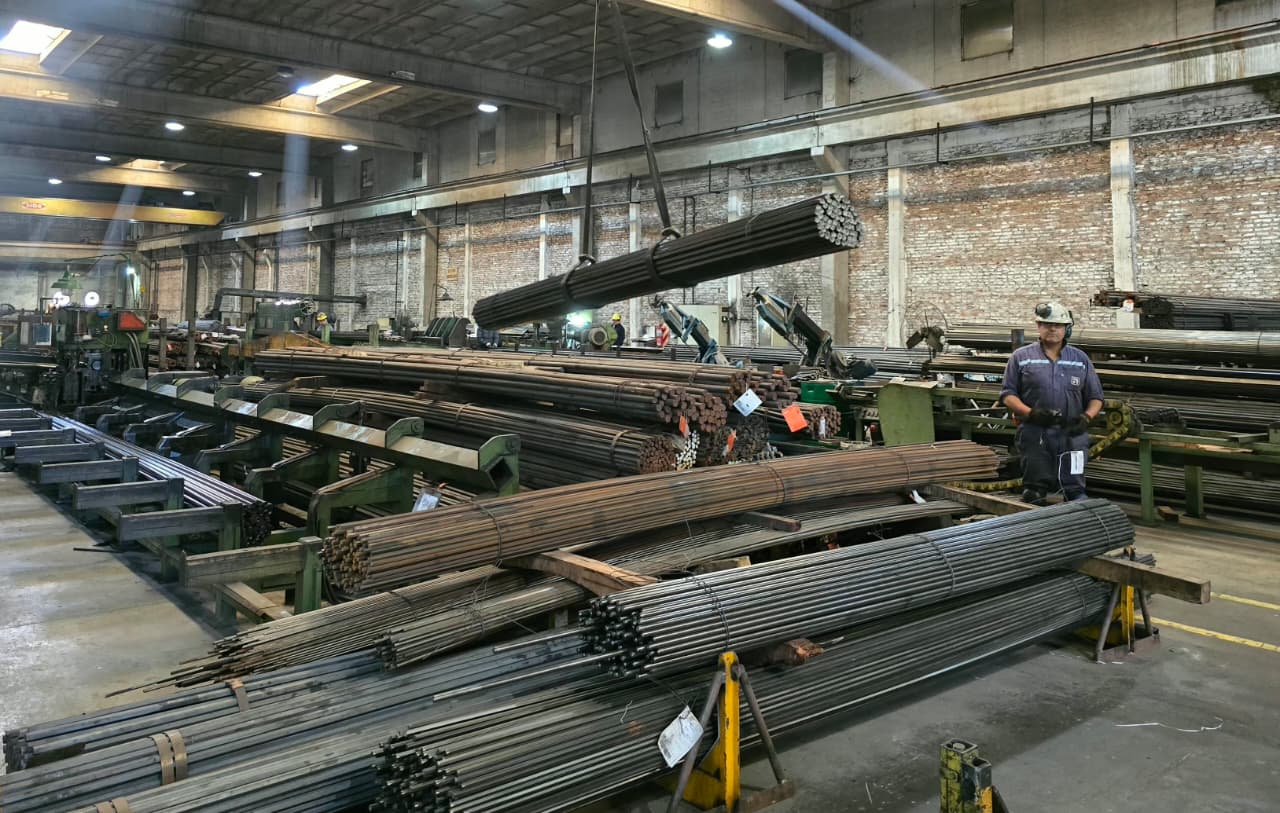
According to the latest Actualidad Metalúrgica – Rosario Region report, during 2025 the activity of the sector fell again for the third consecutive year. The real turnover of the metallurgical industry fell 9.0% year-on-year, even compared to a low level of comparison, and was 36.3% below the 2022 record, reflecting the depth of the recessionary process.
The manufacturing industry of the city of Rosario registered its second consecutive year of decline in real terms in 2025 (-8.8%), transversally affecting the local economy. The contraction of industrial activity impacts employment, consumption and value chains that integrate services, commerce and logistics.
Although metallurgical turnover grew at current values during 2025, it did so well below inflationcute;n, which confirms a general drop in real activity. In December, 77% of metallurgical activities registered nominal increases lower than the price increase, concentrating almost three quarters of the sector's sales.
The report identifies the main explanatory factors:
- The weakness of the domestic market, with lower demand in sectors linked to consumption.
- The growth of imports, which replace national production, even in capital goods.
- The high financial cost, with rates that remain above inflation.
- The absence of an active industrial policy, which takes into account the sectoral, regional and small and medium-sized enterprises' particularities.
At the national level, the use of the installed capacity of the metallurgical industry was located andn 38.9%,one of the lowest levels in recent years. In parallel, employment continues to decline: thousands of jobs have been lost since the end of 2023 and numerous establishments had to reduce their activity or close, weakening the productive network.
At AIM Rosario we warn that the weakening of productive units does not only affect the industry, but also society as a whole.
The metallurgical industry is a strategic pillar of the regional and national economy. Sustaining it requires conditions of competitiveness, access to financing, clear rules and a long-term industrial policy that promotes production, employment and investment.